

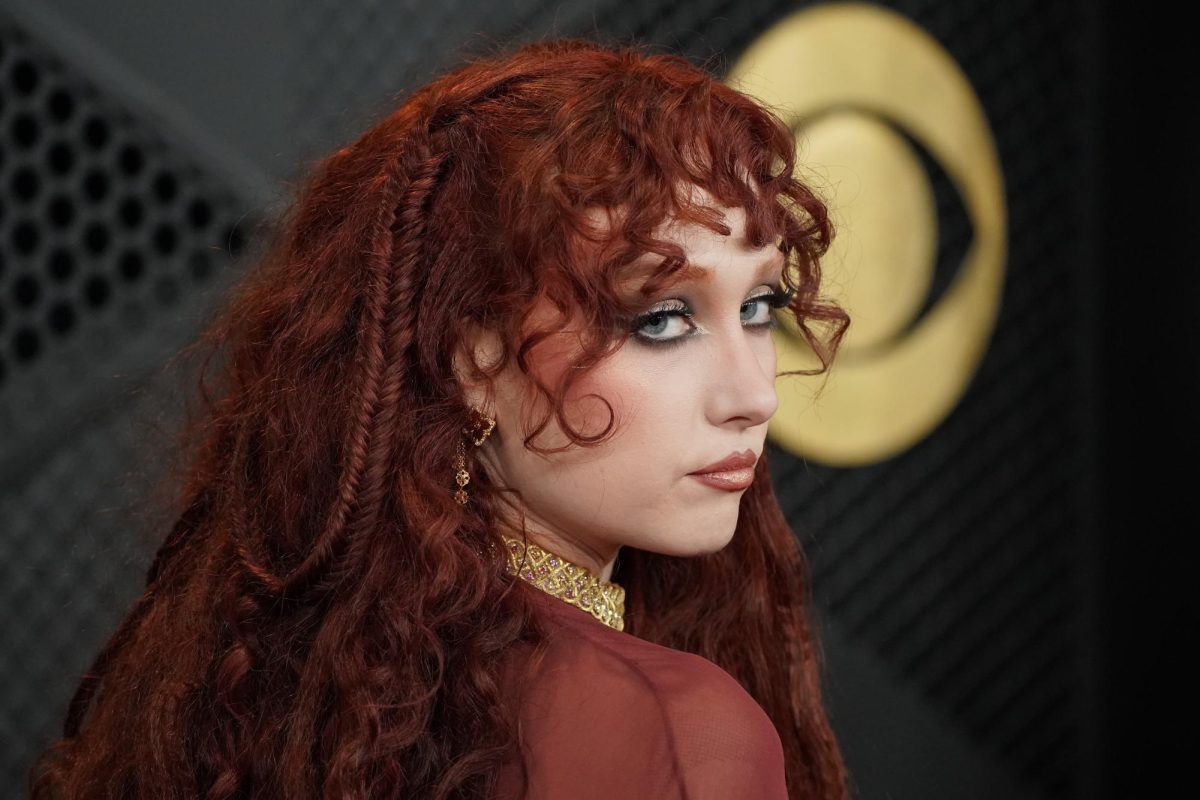
In a newly released trailer, Epic Games has announced that Chappell Roan is the headlining character for Fortnite’s 13th season. Roan’s inclusion as a Fortnite skin has sparked conversation about how pop culture and gaming blur together. Known for her bold visuals, queer identity and theatrical performances, Roan represents a generation of artists whose appeal goes beyond music alone. Although we love the skin, we love the changing tides of gaming culture even more, as Fortnite continues to appeal to a wider audience than solely teenage boys.
Since its initial release, Fortnite has been inventing a whole new world of digital fashion by allowing players to express themselves through unique outfits, styles and pop-culture icons. From Kim Kardashian to Marvel, there’s something for everyone in the Fortnite shop. With the new Roan release, which most notably features three skins and a pink pony sidekick, there’s content in the game for fans of pop’s newest wave.
Many music lovers have been excited to see another “pop girly” skin after the immense success of the game’s inclusion of performers like Sabrina Carpenter, Billie Eilish and Ariana Grande. In the case of Roan, whose outfits like “Roan of Arc” reference her most iconic looks, these cosmetic options give gamers a way to express themselves and their interests through their digital avatar. With her realistic depiction, we believe the inclusion of Roan in Fortnite is a much-needed shift toward more empowering portrayals of women rather than the dehumanizing sexualization that is present in other video games.
The integration of female celebrity skins into the game has been celebrated by many players, regardless of gender. Since female skins typically have smaller frames, players have found that the lower profile gives them a competitive advantage. While hitboxes are the same for all skins, the slimmer options are more conspicuous than the bulkier builds that are often associated with male skins. Although some players may be using Roan’s skin for more practical reasons, the impact of Roan’s presence in Fortnite is appealing to all users, regardless of their reason for buying her cosmetics.
Gaming culture as a whole has typically been male-dominated, with many companies catering to the male gaze in their character designs for female skins. As a result, players have previously been offered the choice of a unique and distinctly tough-looking male character or an extremely hypersexualized female character design, often wearing minimal clothing. These takes on female character design feel tasteless and lazy, especially when compared to new designs of iconic pop stars portrayed in their real-life outfits and aesthetics.
The announcement of Roan as a new headliner comes after Fortnite shared that there were nearly seven million duos, trios or squads composed entirely of Carpenter skins. This number was fueled by the immensely viral trend of Carpenter skins engaging in friendly emotes instead of deadly combat, which led to a wave of “dance-related stalemates,” according to Epic Games. Roan’s skins feel like another opportunity for this subversion of sweaty competitiveness, favoring spontaneous interactions with beloved pop stars over a victory crown.
The trailer itself also exemplifies a turn in modern gaming, as it has been continually praised for its artistry and noticeable lack of AI influence. Alternating between stop-motion animation, embroidery, anime visuals and the 3D modeling that is typical of Fortnite, the trailer showcases Roan’s default pink and “Roan of Arc” outfits in action. As readily accessible generative AI favors fast creation over human expression, the trailer — and Roan’s personal actions against AI as an artist— are a breath of fresh air.
These new developments keep the game exciting. Since its launch in 2017, the game has had constant updates and collaborations. By following cultural and social trends, the game reinvents itself every season. This keeps OG players from getting bored and attracts new gamers that might not have picked up a controller if it wasn’t for their favorite celebrity dancing on screen. Despite some pushback from some who would prefer one of the most played games in history to continue a tradition of misogyny and not collaborate with Roan, many fans look forward to Roan’s inclusion in the gaming sphere.
Fortnite has increasingly positioned itself as a pop-culture hub, using skins and in-game events to tap into current trends and fandoms. Despite mixed reactions, this crossover is a positive development, expanding representation, celebrating individuality and showing how digital platforms can amplify inclusive, cultural voices.