

Editorial
Why it’s time to change how the Lanthorn is funded
In recent years, the Lanthorn has experienced an exciting amount of audience growth and an ever-increasing interest in reputable information about student life, the University’s administration and the area surrounding campus.
We’ve broken stories that haven’t been reported elsewhere, such as Ottawa County Commissioner Joe Moss concealing a firearm at Grand Valley State University despite policy, Parking Services hitting a pedestrian and the Board of Trustees’ approval of debt financing the Blue Dot tech center. By publishing consistent, well-researched content, our reach has grown, especially on Instagram, which approaches 1 million views every 90 days.
The Lanthorn’s staff size hasn’t been able to keep up with this demand for news and information that readers can’t get through other local publications. Stagnant funding has impacted how many students we can employ, the size of our print editions and the depth of coverage we pursue.
To read more of the Lanthorn staff’s editorial, click here.
“The Trump effect” brings propaganda to the White House website
When writing about the Trump administration, we regularly find ourselves frequenting the White House website. Following the start of President Donald Trump’s second term, we’ve noticed significant changes in not only the website’s design but also the credibility of the information presented.

The official website for the White House prioritizes Donald Trump’s ego, claiming his presidency as a “Golden Age” for the United States. The site’s emphasis on Trump’s image and achievements puts its functionality into question, as the “.gov” domain typically signifies a high level of credibility and a source of accurate information. A website representing the White House should inform citizens, not persuade them to align themselves with one political party over another. We believe that any social media account affiliated with the government should operate under a more professional set of standards.
To read more of the Lanthorn staff’s editorial, click here.
BRAKING: Parking on campus still sucks
As we enter a new academic year, students at Grand Valley State University are once again experiencing the age-old grievance that is on-campus parking.

To park on campus without being issued a $35 ticket, your vehicle must have a valid permit from GVSU. While faculty members are issued passes, students must purchase them, costing between $150 and $240 a semester. However, students routinely struggle to find accessible parking on campus, which often results in having to park multiple lots away from their destination. This can add stress to students’ lives and cause late arrivals to class. Considering the steep price for parking, we think GVSU should improve its parking resources and accessibility for paying students.
To read more of the Lanthorn staff’s editorial, click here.
Columns
‘Nothing’s About to Happen to Me’ spins a whimsical web of sound
At the end of February, Mitsuki Laycock, known professionally as Mitski, released the album, “Nothing’s About to Happen to Me.”
This is the eighth record by the indie/alternative rock-pop singer, and it features 11 songs. Mitski sings very quietly and delicately, which makes me want to listen a bit closer. It’s like she’s sharing a precious secret with us, and I enjoy that intimate feeling.
While Mitski’s genre of music may be described as mentioned, there are some strong folk elements to this album. The best comparison to “Nothing’s About to Happen to Me” is the style of music Lucy Gray Baird sings in “A Ballad of Songbirds and Snakes.” The album feels more like Mitski’s singing a tale about past experiences rather than singing a song; some tracks feel like a lullaby.
To read more of Kaylee Schwander’s review, click here.
‘Heated Rivalry’ has rightfully earned its popularity
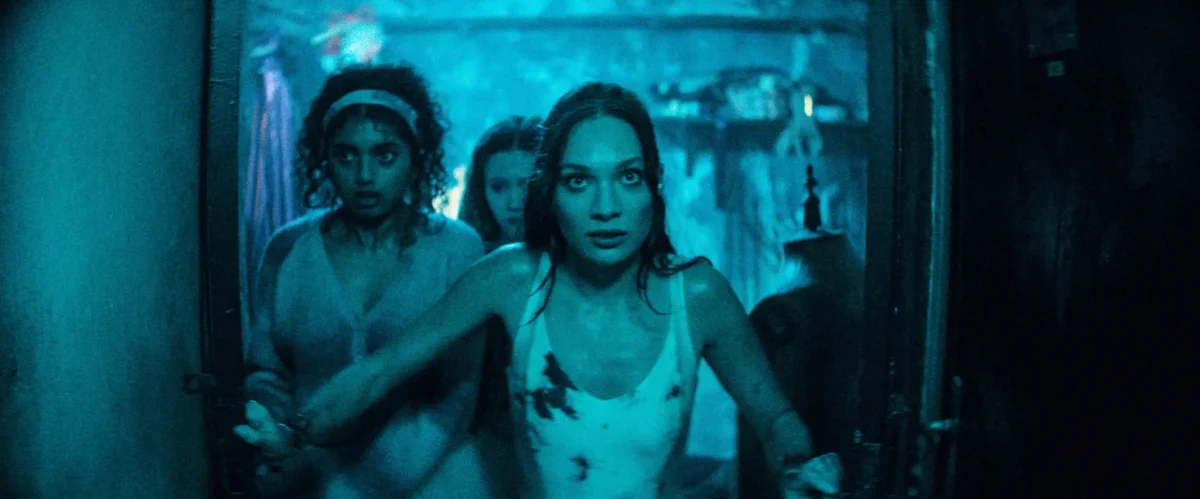
Just in time for freezing winter winds and cozy nights stuck inside, HBO dropped a new show produced by the Canadian streaming service Crave. ‘Heated Rivalry,’ produced by Jacob Tierney and adapted from the book series ‘Game Changers’ by Rachel Reid, is certainly heating things up for viewers.
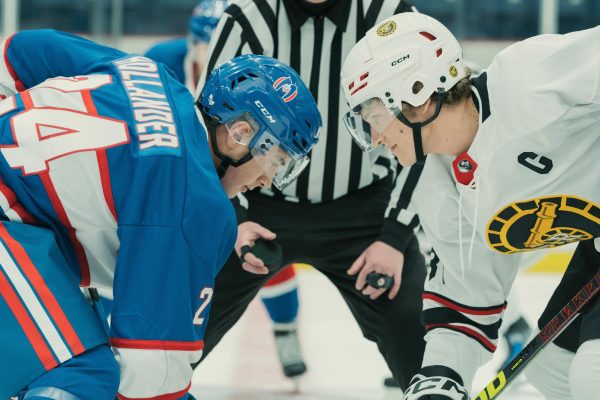
The popular show is set in the early 2010s in the world of professional hockey. Shane Hollander, played by Hudson Williams, and Ilya Rozanov, portrayed by Connor Storrie, are two hockey players from rival teams trying to keep their relationship a secret in the heteronormative world of professional athletics. On top of this, they also have to deal with expectations from fans, family and their teammates.
First and foremost, it’s impossible to talk about this show without acknowledging what it means to so many people. It’s a show for anyone who has ever felt like they couldn’t be who they are openly, or felt unsafe doing so. It’s clear from many fans that this isn’t just a love story between two men; it represents the queer community, and gives viewers a safe space.
To read more of Kaylee Schwander’s review, click here.
The myth of the missing half
I’d be a liar if I told you that people come up to me and ask about my relationship status. Luckily, it’s not a common topic of conversation anymore.
Although I might have escaped the era of constantly getting pestered by the question, “Who are you seeing?” I’m still stuck dealing with many invasive assumptions people make about my personal life because I don’t constantly talk about sex and men.
The question, “What are you?” referring to my sexuality, is my “favorite” question to be asked. I get asked this question by my LGBTQ+ friends in my hometown who have seen me go through high school and now, partially through college without any romantic interests. I also get this question from straight friends and those who haven’t known me long enough to understand that my lack of interest in romantic love is a recurring theme.
To read more of Gabrielle Ray’s column, click here.
Spinning nostalgia: The comeback of physical media
Society loves recycling old trends and borrowing from the past, and in part, we can probably thank the internet for that.
Some argue this happens because modern-day arts lack originality. While that may partly be true, I tend to think that if it’s not broke, don’t fix it. Borrowing from the past allows us to build on what once worked, adding new or exciting modern twists. Ultimately, one of my favorite things being revived is physical music and media.
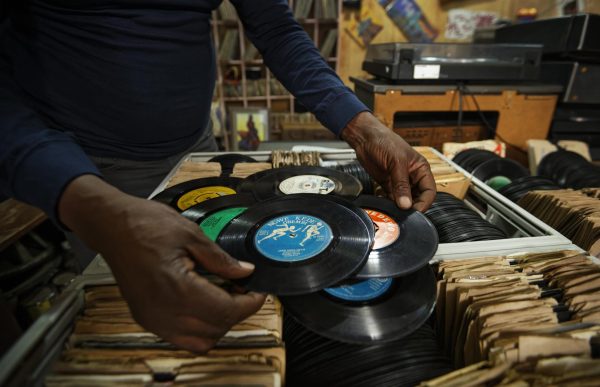
As someone who consumes physical media, I own a record player and often enjoy my sister’s CD player. Nowadays, the majority of physical music, such as vinyl and CDs, are owned by people under the age 35, which largely includes Gen-Z listeners. While I’m no expert in music trend statistics, I have some ideas why we’re seeing a resurgence of physical media in our generation.
To read more of Gabrielle Ray’s column, click here.
Country music is a working-class weapon
When someone brings up today’s style of country music, very specific images come to mind. You may hear country music and think of radio tunes, or you might imagine your average rural Walmart.
Modern country music, pioneered by the Luke Bryans, Keith Urbans and Lee Brices of the world, has colored many people’s ideas of what country music is and should be. These songs are generally simplistic and pandering, singing about recognizable hallmarks of working-class, American rural life, while saying next to nothing about it.

As someone who grew up in that background, within a small town in Michigan’s thumb called Millington, I’ve never been convinced that whoever writes these songs has actually lived a life comparable to the people they are singing about.
Instead of detailing the real problems and experiences of rural, working-class people, these songs substitute religious and political pandering. The music has become a lightning rod for Christian nationalism and conservative patriotism, a trend that took hold in the post-9/11 years thanks in large part to Toby Keith and Hank Williams Jr.
To read more of Jace Perroud’s column, click here.
Justice for Da’Quain Johnson and victims of police, state violence
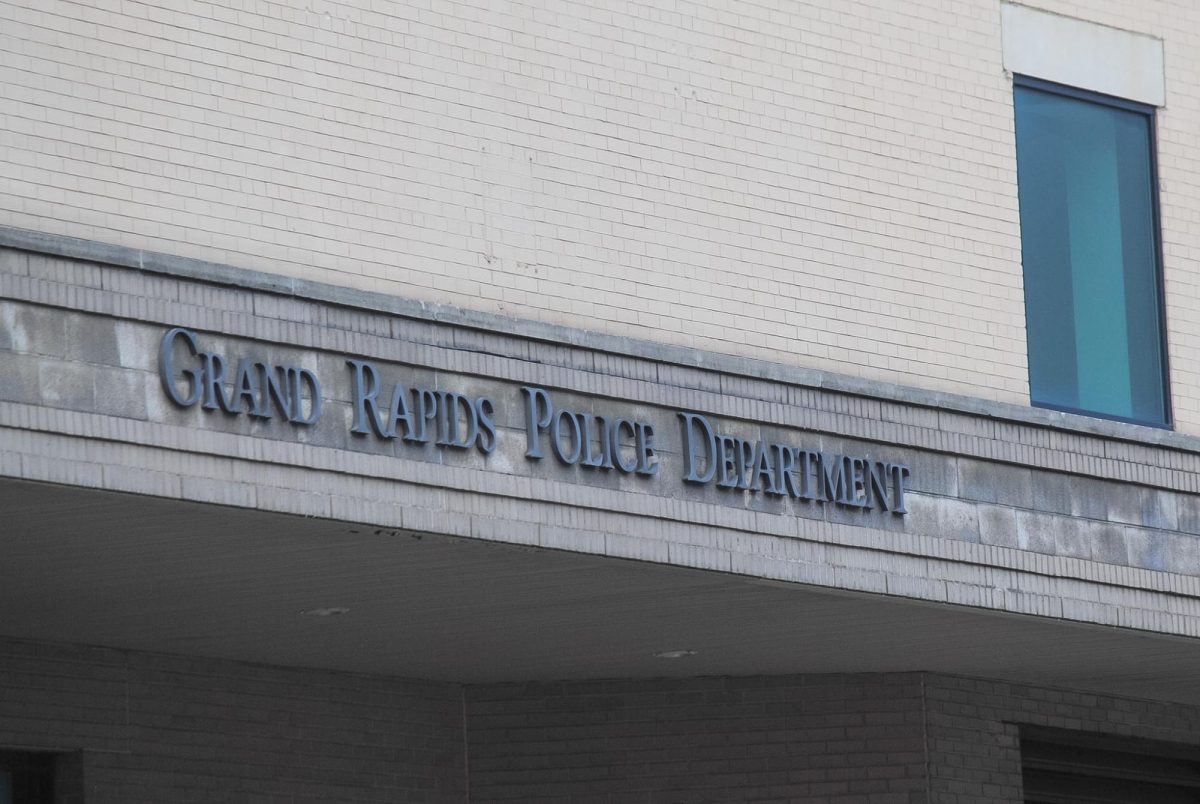
Wednesday, Feb. 18, the Grand Rapids Police Department was involved in the death of a man named Da’Quain Johnson.
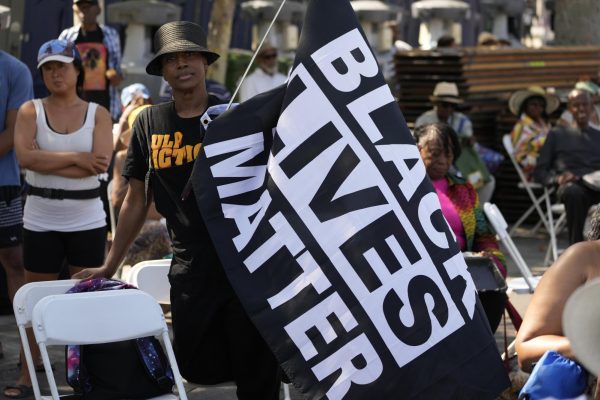
After being called about a potentially armed Black man on a bicycle, the police sent a K-9 after Johnson. He was viciously attacked by the dog, and officers descended on Johnson, pinning him to the ground. In a video released by his family, you can see two officers directly over Johnson as the dog continues its attack. An officer announced that Johnson had a gun, despite him clearly posing no real threat. Instead, Johnson was shot three times in front of his family.
To many in Grand Rapids, this story is, unfortunately, tragic but not unfamiliar. The story represents an unbroken pattern of racism and discrimination from the GRPD.
To read more of Jace Perroud’s column, click here.
Laker eats: Reviewing campus dining locations
In this joint review, columnists Gabrielle Ray and Jace Perroud review dining locations on the Valley Campus. Ray shares her experience as a fairly new meal-plan holder, while Perroud brings three years of insight in evaluating campus dining options.
To read more of Gabrielle Ray and Jace Perroud’s column, click here.