

When someone brings up today’s style of country music, very specific images come to mind. You may hear country music and think of radio tunes, or you might imagine your average rural Walmart.
Modern country music, pioneered by the Luke Bryans, Keith Urbans and Lee Brices of the world, has colored many people’s ideas of what country music is and should be. These songs are generally simplistic and pandering, singing about recognizable hallmarks of working-class, American rural life, while saying next to nothing about it.
As someone who grew up in that background, within a small town in Michigan’s thumb called Millington, I’ve never been convinced that whoever writes these songs has actually lived a life comparable to the people they are singing about.
Instead of detailing the real problems and experiences of rural, working-class people, these songs substitute religious and political pandering. The music has become a lightning rod for Christian nationalism and conservative patriotism, a trend that took hold in the post-9/11 years thanks in large part to Toby Keith and Hank Williams Jr.
Country music is now the anthem of a certain elite political class, with events like the Turning Point Halftime Show replete with this kind of country. It’s no secret that I truly loathe the current state of country music, but that is not from a place of hating the genre.
In fact, my feelings are only so strong because I love country music. I’m upset because its current reputation spits in the face of everything that made the genre amazing in the first place. However, there is still time for new artists to change course and revitalize the genre, bringing back what made old country music great.
A radical legacy
Country music has its roots in songs that came from poor, working-class communities in the United States. In the early days, the Carter Family documented the hardships of rural life, while early Black country stars like harmonica virtuoso DeFord Bailey brought soulful innovation to the genre. This burgeoning tradition of hillbilly and folk music eventually found its voice in Woody Guthrie, whose worker-centric and anti-fascist anthems turned the genre into a tool for social change.
This tradition carried on through the work of The Almanac Singers and Merle Travis, whose music was deeply rooted in the labor movement. It was during this era that the struggles of Appalachian miners were immortalized in songs like the classic “Which Side Are You On?,” written about the Harlan County mine union struggle.
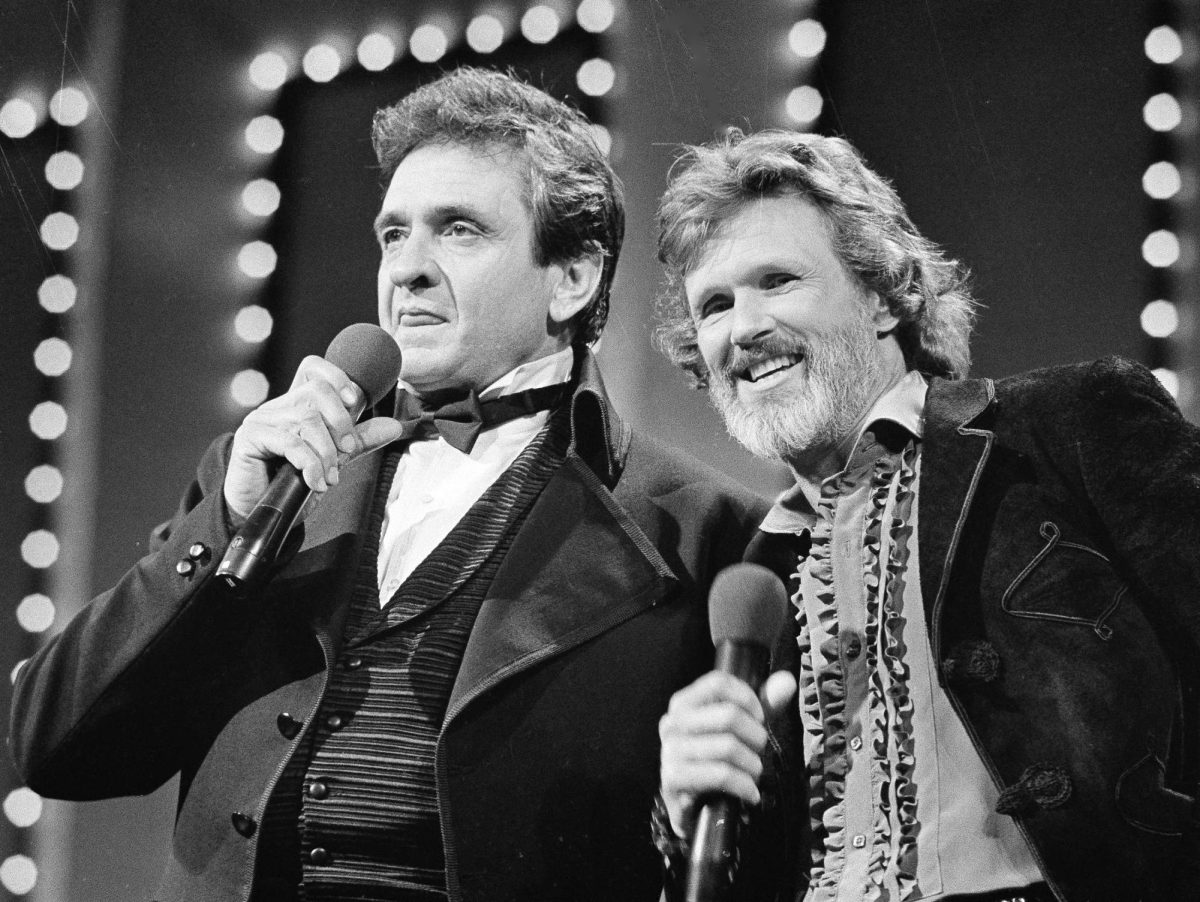
Progressive and working-class country music saw another surge with the popularity of the Highwaymen. All four of its main members, Johnny Cash, Willie Nelson, Waylon Jennings and Kris Kristofferson, are icons of progressive country music and four of the greatest artists of the genre to ever grace the radio. These four men have all sung in support of the “poor and beaten down” and railed against wars and the injustices of our system.
This was also an era of radical queer country music, most prominently with the band Lavender Country, which wrote an entire album of queer anthems that spoke to many country fans and rural listeners who were afraid of coming out of the closet. The narrative that country music is inherently tied to conservative or exclusionary ideologies overlooks the genre’s history.
A new generation
While formulaic radio country has dominated for decades, a new wave of alternative voices is reclaiming the genre’s original working-class heritage. On a more mainstream level, Charley Crockett has been incredibly outspoken in his opposition to the Trump administration and has centered the stories of working-class people in his songs, a move made all the more genuine by his actual working-class background.
Zach Bryan has called out the inhumane ICE raids and police brutality that have marked the past year, and Sturgill Simpson has echoed similar sentiments in his recent music. However, my favorite country artists are, of course, the anarchist musicians Nick Shoulders and Willi Carlisle.
Shoulders weaves activism, politics, social commentary and dark humor into a musical package reminiscent of the great Hank Willliams Sr. Shoulders’ music discusses being a political leftist in a rural area dominated by religious conservatives, as well as his love for those same people and the region as a whole. Carlisle has written incredibly deep songs from a working-class perspective about people who feel stuck in their small towns, and has covered many old labor and union songs from generations past.
With the gap between the rich and poor growing day by day, and the government becoming ever more tyrannical, we can expect much more of this music in the years to come — just don’t expect any of it on the corporate, country radio stations your parents listen to.