

In honor of Women’s History Month, Grand Valley State University students are celebrating the contributions of women in art. Specifically, they are reflecting on the resilience of women in cinema as they highlight their favorite films created by women.
As conversations around representation grow, students point to their favorite films directed by women not just as recommendations, but as critical contributions to the art form. These films, they argue, offer distinct perspectives that reshape how stories are told and understood on screen.
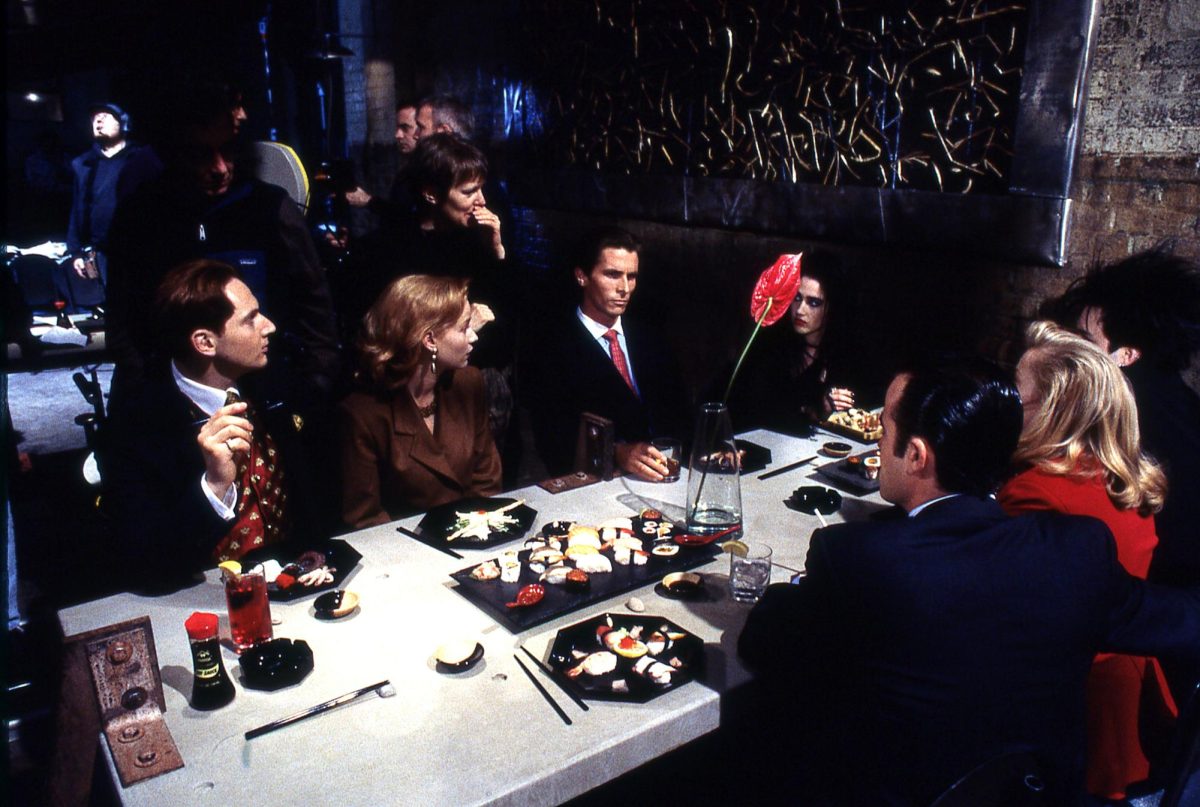
Junior Amelia Giuffre spotlights “American Psycho,” directed by Mary Harron, as one of her favorite films by a woman filmmaker — one she believes is often misunderstood by audiences. While the film has gained a cult following, Giuffre emphasizes that its message is frequently misinterpreted.
“She did a beautiful job of exploring themes of toxic masculinity and power-hungry men in the business world,” Giuffre said. “I feel like there are a lot of misconceptions behind the meaning of the film. There are people online who idolize Patrick Bateman and see him as a go-getter, when in reality, the entire film is satire.”
Harron’s direction reframes what could have been a straightforward psychological thriller into a critique of excess, masculinity and corporate culture. Giuffre’s perspective reflects a broader issue: when women direct films that critique dominant systems, those critiques are sometimes overlooked or misunderstood.
Sophomore Clementine Hall points to Sofia Coppola’s “The Virgin Suicides” as one of her favorite films directed by a woman, citing its distinct emotional perspective.
“As someone planning to study film next fall, I’ve started paying a lot more attention to who’s behind the camera,” Hall said. “(‘The Virgin Suicides’) feels so intentional in how it portrays girlhood and isolation. It’s not just about what happens in the story. It’s how those emotions are framed and understood. That perspective has made me rethink the kinds of films I want to be a part of.”
Films like Coppola’s often center interiority and emotional nuance in ways that have historically been underrepresented in mainstream cinema. As more women step behind the camera, scholars and critics have noted a broader shift in storytelling, expanding the range of experiences considered complex, valuable and worthy of exploration.
Hall also recommended other films that have inspired her, including “Lady Bird,” directed by Greta Gerwig, “Nomadland” by Chloé Zhao and “Selma” by Ava DuVernay.

Senior Emma Ciavone pointed to “Born in Flames,” directed by Lizzie Borden, as another influential work. Set in a fictional socialist America, the film examines what equality entails in practice and whether systemic change truly benefits everyone. Through its experimental style and political narrative, “Born in Flames” challenges viewers to question surface-level progress, a theme that remains relevant decades after its release.
Ciavone noted that exposure to women filmmakers can vary across classroom settings.
“In my typical, narrative filmmaking classes, (male) directors are definitely talked about and viewed more often,” Ciavone said. “That’s how it’s been socially for a while. In my experimental and film and video art courses, we look at a wide range of work, and women are more recognized for their work.”
This disparity reflects a broader trend in the film industry and academia, in which traditional canons have historically prioritized male directors. Limited access to funding, fewer directing opportunities and systemic bias have all contributed to the underrepresentation of women behind the camera.
However, expanding curricula and shifting cultural conversations are beginning to create space for more diverse voices. As students engage with films directed by women, they are not only discovering new favorites but also reconsidering what storytelling can ultimately look like.
Ciavone cited Borden as a personal influence on her creative work, demonstrating how behind-the-scenes representation can shape the next generation of filmmakers.
“I think (every film) offers a different perspective and style,” Ciavone said. “No one person or brain is the same.”
Both Giuffre and Ciavone stress the importance of recognizing women’s contributions not as secondary, but as essential to the evolution of film.
“It’s important for women to get the recognition they deserve in this field,” Ciavone said. “They have to work twice as hard to get opportunities, and as a whole, society needs to reshape the way they view gender dynamics.”
As audiences continue to revisit older films and embrace new releases, students say their favorite films by women do more than entertain—they challenge assumptions, critique systems and offer perspectives that might otherwise go unseen.