

As the war with Iran rages on, the Trump administration has returned to one of its favorite forms of propaganda: meme culture. Harkening back to the Studio Ghibli-style AI generation of a Dominican woman being arrested, recent actions include using clips from video games and sporting events, as well as audio from pop songs, to make war against Iran more agreeable to younger audiences. This unsurprising, yet horrific ‘memeification’ turns a serious geopolitical conflict into a form of entertainment.
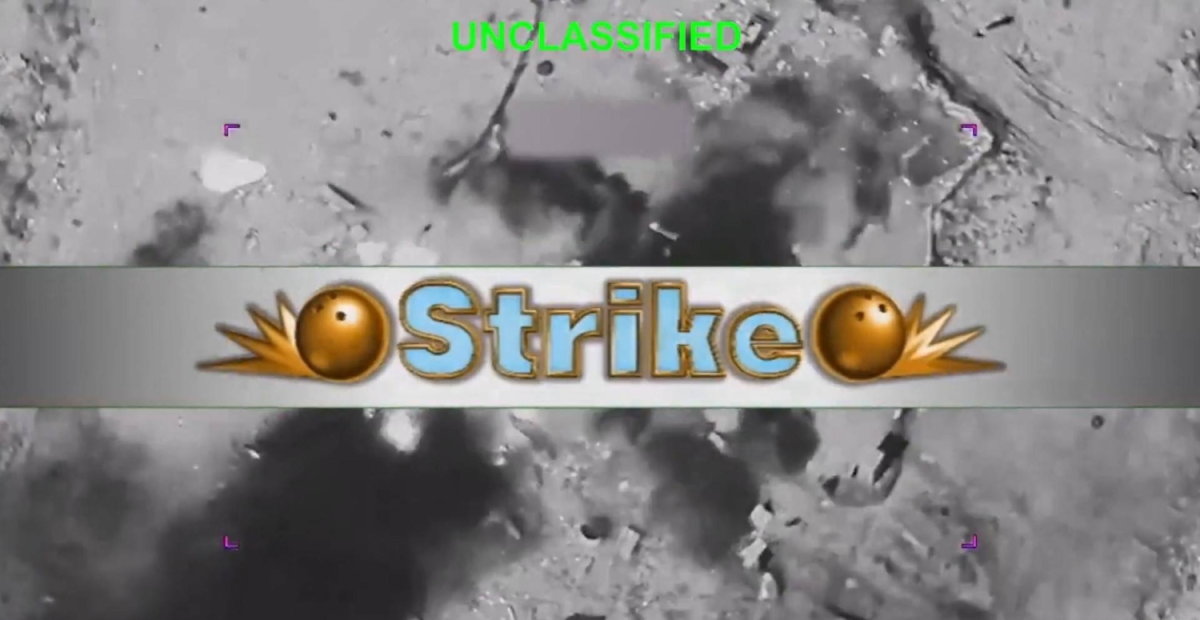
The White House social media accounts have blended imagery from Wii Sports and real footage of U.S. strikes in Iran, part of a broader social media strategy that mixes pop culture references with wartime messaging. We’ve already seen the Trump administration use AI images and humor to uplift the President and bash his opponents, a tactic that is wildly apathetic at best. In the face of war, it is downright morally deplorable. When governments participate in this meme culture, it sends the message that war is something to be celebrated, joked about or “won” like a sporting event, rather than a tragedy that demands seriousness, accountability and respect for the lives affected.
The issue becomes even more problematic when government accounts repurpose content they do not have the licensing or copyright permission to use. Critics, including public figures, have spoken out against the White House’s use of recognizable media, arguing that utilizing people’s work or likeness without permission – especially in the context of war messaging – is at minimum inappropriate, if not completely against copyright law.
In addition to clips from Wii Sports, the Trump administration has used other Nintendo properties to gamify its actions, including Pokémon. With the most recent Pokémon release of “Pokopia,” the White House shared a graphic in the style of the game’s cover art, which says “make America great again”. A spokesperson for Nintendo stated that “no permission was granted” to the Trump administration to use their license, and that their goal as a company is to “bring the world together.” Although White House Spokeswoman Abigail Jackson described this content as “engaging posts and banger memes,” we find this transformation of beloved franchises into a political tool to be a disgusting way of breaking copyright law.
This sentiment is mirrored by Nintendo’s previous criticisms of the Department of Homeland Security using the “Gotta Catch ‘Em All” tagline and theme song from the franchise in memes about deportation from September. This usage of a license targeted specifically toward young audiences demonstrates the agenda of the White House: to expose young audiences to political atrocities through familiar media to “normalize” reprehensible political actions.
Specific posts from the White House’s social media also mix sports highlights with footage of U.S. strikes, framing military attacks like “a big hit” or highlight-reel moments. One montage paired NFL collisions – including hits from players like Ed Reed, Ray Lewis and Kam Chancellor – with missile strikes set to dramatic music. Reed responded directly on social media, writing that he did not approve of the video, while other players, like Kenny Bell, said seeing their football moments tied to bombing footage made them “sick”. Despite the backlash and the NFL’s normally strict control over its broadcast footage, the league has not publicly taken action or demanded that the clips be removed.
Pop singer Kesha spoke out against the war after the White House used her song “Blow” in a video of military planes flying through the sky, conducting a missile strike. She is not the first artist to have had their music used by the Trump administration in promotional videos without their consent. The administration’s response to Kesha was juvenile, insisting that any singer (including Kesha) who speaks out against the administration is simply giving the government more attention, in turn, helping their cause. Rather than addressing the ethics of using an artist’s work for military propaganda without consent, the White House’s vulgar response to her objection is dismissive of her creative agency.
War is not a viral trend or joke to be shared for likes; it involves real people, real violence and real consequences. When social media feeds are filled with jokes, memes and ironic commentary about missile strikes or military operations, the public becomes desensitized to the human cost of war. The White House is selling the spectacle of war, but the reality is very different from Nintendo games. The result is a culture where conflict is consumed like content rather than understood as a life-and-death policy affecting soldiers, civilians and entire nations.
As the propaganda machine keeps pushing out content, it is necessary to be aware of the White House’s tactics. The constant barrage of news feeds competes for our attention, making it easy to numb ourselves to the others’ struggles and further recede into our own echo chambers. Since everything can be turned into political propaganda, including childhood nostalgia and forms of entertainment, we all must be aware of the tactics employed to sway views. If we become desensitized to the horrors of war, which is exactly what memes like this aim to achieve, we lose our sense of humanity and empathy toward those most closely impacted.