

The long, war-crime-ridden arm of United States imperialism seems poised to strike once again in Latin America.
In September, a U.S. strike hit a Venezuelan boat that President Donald Trump’s administration claimed, without proof, was carrying drugs for the Tren de Aragua gang. In the wake of the strike, both the U.S. and Venezuela have increased their military presence in the region, with Venezuela stationing armed guards across its coast, and American politicians such as Marco Rubio alluding to increased military action against Venezuela, under the guise of “fighting the drug cartels.” It’s painfully clear, however, where this antagonism really comes from. Secretary of State Rubio has made a habit of opposing leftist politicians and leaders in Venezuela, constantly taking steps to undermine the sovereignty of any nation considering socialist policies.
This kind of imperialist overreach from the U.S. is anything but new to Latin America. The region has been subjected to U.S. interference for nearly two centuries. In the 20th century, much like today, such actions were often presented as “safeguarding” the Western Hemisphere from socialism. After all, the supposedly superior American capitalist system might crumble to dust if Cuba and Venezuela were allowed to run their countries and resources however they so choose.
Among many low points of the 20th century, U.S. imperialism in Latin America led to the overthrow of democratically-elected leftist governments, and their replacement with brutally repressive, U.S.-friendly, right-wing dictatorships. The 1954 coup in Guatemala cleared the way for United Fruit Company to exploit local labor, and after such success in Guatemala, the U.S. turned to Cuba, resulting in the Bay of Pigs invasion and the Cuban Missile Crisis. The election of Ronald Reagan signaled yet another intensification of U.S.-backed violence, leaving devastation in countries like El Salvador. Further, Coca-Cola even demonstrated its ability to incite violence and exploitation without direct U.S. military involvement in the early 2000s when the company employed the help of death squads in Colombia to murder workers looking to unionize.
The history outlined above is echoed in the rhetoric and actions of the Trump administration in its current aggression against Venezuela. While officials claim their aggression targets drug trafficking, many experts argue the administration’s true goal is regime change in Venezuela, seeking to topple the government of socialist president Nicolás Maduro.
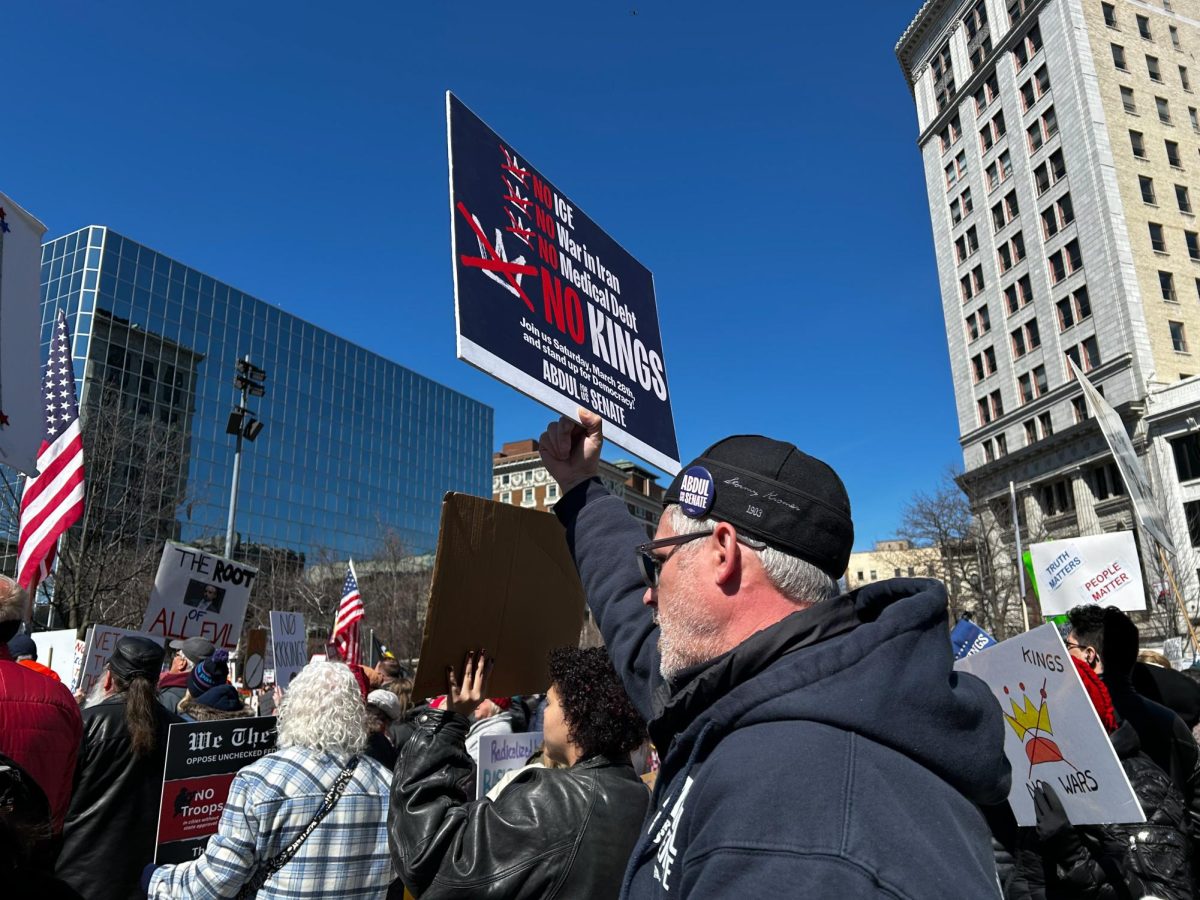
This should not be surprising to anyone with even a basic grasp of the interests of those waging war on Venezuelan sovereignty. Trump has filled his administration with corporate executives, billionaires and political elites, the very class that benefits most from preserving U.S. dominance abroad. This administration’s war on Venezuela comes from the same place and interests as the domestic war raging on socialists and anti-fascists here in the United States. Whether abroad or at home, Trump and his administration are brutally waging a campaign against ideologies that challenge their own wealth, power and control. We must act out and resist the violence in Venezuela exactly as we resist Trump’s federal overreach here, as they are simply two sides of the same fascist coin.