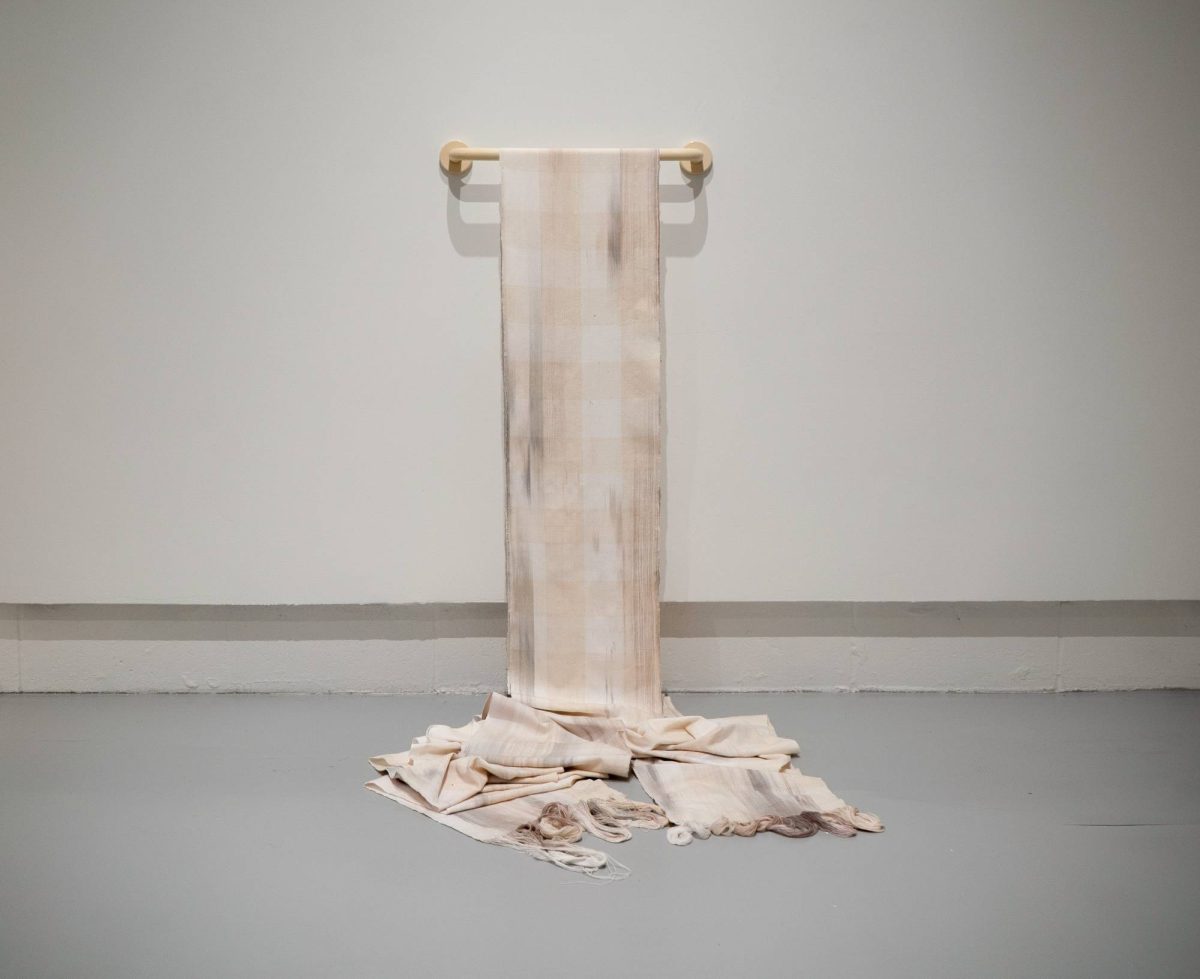



The Grand Rapids Art Museum (GRAM) paid special homage to Día de los Muertos through an interactive art ofrenda.
The exhibition celebrated Mexican and Latin American heritage by allowing visitors to bring a memento for the altar, designed to honor loved ones who have passed. The dynamic exhibition opened Oct. 16, and remained open till Nov. 9.
The ofrenda, Spanish for offering, is a holiday tradition. Some of the items added to the exhibit included photographs, flowers and small objects of remembrance. The exhibit was created by local artist, cultural program developer and immigration advocate, Reyna Garcia. Garcia works toward creating spaces for immigrant voices to be heard and celebrated.
Garcia dedicated the community ofrenda to Francisco Toledo (1940-2019), an artist from Oaxaca, Mexico, who led efforts to protect the cultural and architectural heritage of the city’s center, as well as those in the Grand Rapids community who’ve lost loved ones.
Elizabeth Payne, director of communications and external affairs at GRAM, said the community’s response to the ofrenda was wonderful.
“By inviting people to engage directly with the ofrenda, we created a space that is both deeply personal and shared,” Payne said. “These contributions have made the installation evolve beautifully each day.”
Alongside the ofrenda, GRAM hosted drop-in studio workshops to make tissue-paper marigolds that could be used as adornment around the altar. Marigolds are symbolically used for Día de los Muertos because their scent and vibrant colors are seen as guides for the deceased in visiting their families and altars.
Grand Valley State University student Adriana Garcia said an exhibit like the ofrenda can show people how other cultures view loss and celebrate life.
“An ofrenda is supposed to be comforting,” Garcia said. “A community ofrenda is more of a collective thing. This is good because (the exhibit) will bring up morale and be more of a celebration of life instead of just loss.”
Garcia added it can be eye-opening to learn about other cultures, and exhibits like the one at GRAM can be both educational and inspiring to people outside Mexican and Latin American cultures. At the same time, those who already celebrate and place a high value on the holiday are able to engage with others in a space that reinforces familial ties.
“An ofrenda brings a community together for one cause and makes everyone feel close,” Garcia said.
Payne added she has seen visitors of all ages stopping by the altar to leave a photo or handwritten note. Some attendees have stayed longer to reflect somberly or celebrate joyously the life of someone they have lost.
“We chose to host the ofrenda at GRAM because the tradition of Día de los Muertos offers a powerful way to honor loss, memory and community,” Payne said.