


With severe winter weather early in the semester, Grand Valley State University has already moved four days of classes to remote status. On other days with inclement weather, the University has held classes normally. The last few weeks have raised the question of how these decisions are made, and who has the final say.
The decision to “go remote” is one that is weighed against several factors, the likes of which include ease of access via roads and highways. In addition, the school must take into consideration any obstruction in the parking lots. Going remote originates from the widespread adoption of technology like Zoom during the COVID-19 pandemic. Six years later, the option is commonplace.
“Safe access to the campus, including the ability to access roads and parking lots, is one of our primary considerations when evaluating whether or not to go remote,” said Chris Knape, the assistant vice president of University Communications.
Though the recent closures were due to snow and extremely low temperatures, Knape was quick to point out that these remote days were not actually “snow days” without class.
“To be clear, we haven’t had snow days because we have the ability to move to remote status,” Knape said. “Many classes are still able to be held online at the discretion of the faculty member instructing the course.”
Knape said that if classes are cancelled and missed entirely, the professor becomes an important component of arranging for any make-up opportunities.
“If classes need to be made up because they could not be held remotely, faculty members will work with their students and college leaders to find appropriate times to make up for missed classes,” Knape said.
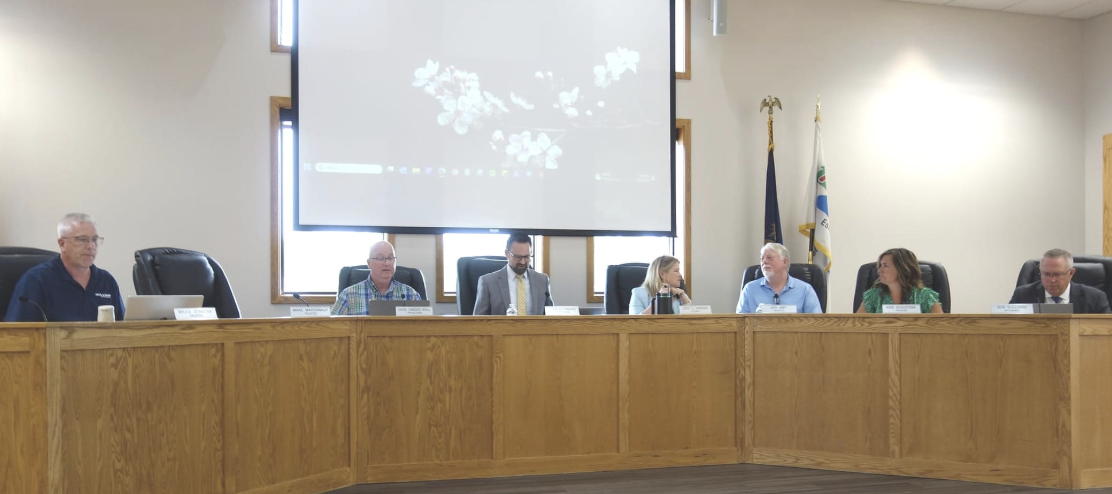
The decision to close the school itself, whether that means to moving remote or not, is in the hands of a group of administrators. According to Knape, there is a good deal of collaboration that takes place, as varying perspectives are often considered.
“Leaders of the Department of Public Safety and the Facilities team convene to review each situation and jointly make a final determination about implementing remote status due to winter weather conditions,” Knape said. “The final decision is made by the Vice President for Finance and Administration (Gregory Sanial).”
Sanial oversees Facilities Services and the Department of Public Safety.
For students at GVSU, having a snow day is typically a welcome experience.
“It is a (relief),” said GVSU student Nikolas Tompkins. “It is already a pain to get around on campus during the winter, let alone when it is actively snowing.
Though the “snow days” which have occurred recently were just adjustments to remote status, some students actually prefer to attend in person, weather permitting. Tompkins said he welcomed the news, but sees Zoom meetings as somewhat unnecessary.
“Zoom classes on snow days are inconvenient,” Tompkins said. “In my experience, professors typically don’t want to be on the calls either, but do it for the sake of staying on track.”
With the need to meet certain requirements for classes, students are expected to be available during the allotted class time. Still, Tompkins sees a lack of enthusiasm on the part of a professor as hindering the overall experience of class.
“While I understand that classes need to stay on track, I would much rather have the professor either upload notes or a lecture video of the material instead,” Tompkins said. “I wouldn’t consider a Zoom call where the professor rushes through material because they don’t want to be there to be an effective form of class meeting.”