

The most recent decade has brought in a new wave of media, ranging from short-form content that we see on platforms like TikTok and Instagram to long-form entertainment like streaming and podcasts. The development of the internet has made it possible for anyone to create content and profit from it.
Particularly, podcasting seems to be a hobby many have taken up. From topics ranging from true crime to kid’s television shows, people want their voices heard. But should everyone really have these influential platforms?
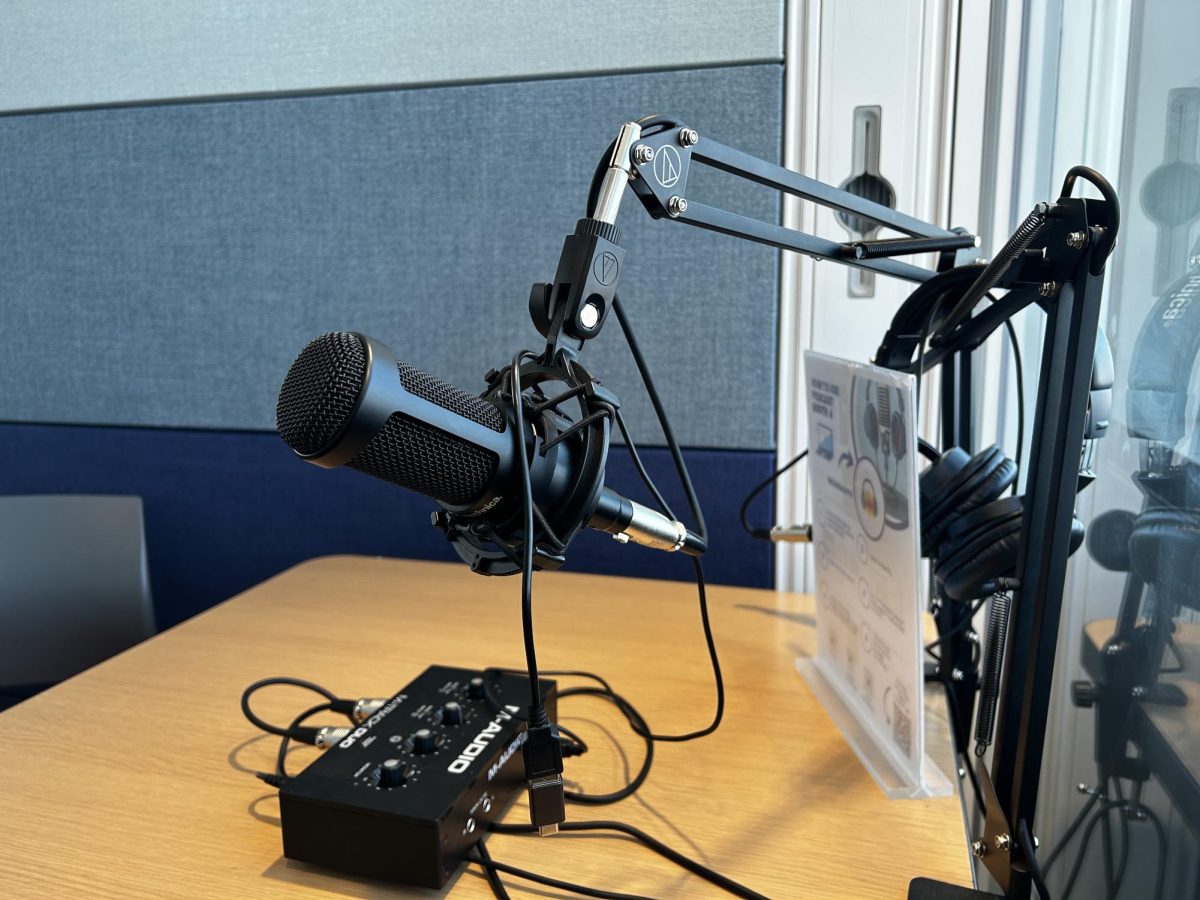
From what I can tell, podcasting is popular because people love to talk, and they’re fairly simple to start. A couple of friends of mine have started a podcast just by recording their FaceTime calls. All you really need is a niche and some kind of audio setup.
The easy accessibility of podcasting reminds me of blogging. Having an online blog or diary was popular among teens and young adults in the late 90s and early 2000s. They were suddenly able to share their everyday lives with the world. Blogging became popular for similar reasons podcasting has risen to the entertainment spotlight.
In both the present day and the early 2000s, we have access to virtual spaces to share our voices and opinions. While this privilege is nice, not everyone should be participating in this art, which brings up the question: should everyone have a podcast? The answer is no, they should not.
While I don’t believe anyone should be discouraged from developing new hobbies or skills, and I’m certainly not promoting censorship with this take, the recent uptick in podcasts has created an oversaturated media. The quantity outweighs the quality, with many podcasts revolving around the same ideas and topics circulating the internet.
A topic that I see come across my feed far too often is true crime. It’s a highly oversaturated market of people rehashing the same hundreds of cases over and over again. I am genuinely shocked by how a topic with such great ethical concerns could be so popular.
True crime is a great example of the lack of originality and creative thought put into certain podcasts. This is only emphasized by the lack of charisma from their hosts. Earlier, I compared podcasting to blogging, but we can also compare this form of media to its broadcasting counterpart, talk shows.
Podcasts are basically just radio and broadcasting shows in a pre-recorded format. Podcasts have hosts, often invite guests and are a discussion-based form of entertainment. The only difference is that talk shows are far more selective when hiring and are seldom formed by “two dudes in a living room.”
Sometimes, a talk show host might make a poor impression on a particular audience, but they have redeeming traits that can help swing back into a decent public perception. Podcasters often don’t have the same means to analyze their own analytics and understand what they need to change to improve their podcasts.
Speaking of audiences, not everyone is able to have one in such an oversaturated market. That’s why if you are going to have a podcast, you should commit to having a good one.
It seems like a lot of podcasters don’t understand the importance of having a good schedule. Being a journalism major, many of my friends are into different forms of content creation. I’d say a good majority of the people I know have attempted some type of podcast, but the only ones I know of that have built a loyal audience are those who have a consistent schedule. Some people get burnt out or just can’t find time to create consistently. That’s fine, but it’s also important to realize your podcast will not be as successful without consistency.
If your podcast interferes with your schedule so much that you don’t have time to pay special attention to improving your work, maybe it’s time to find another gig. Ultimately, it’s a form of digital art and media that takes time, practice and skill to succeed at. Not everyone should have a podcast, because not everyone is dedicated to the media in a sustainable, ethical way.