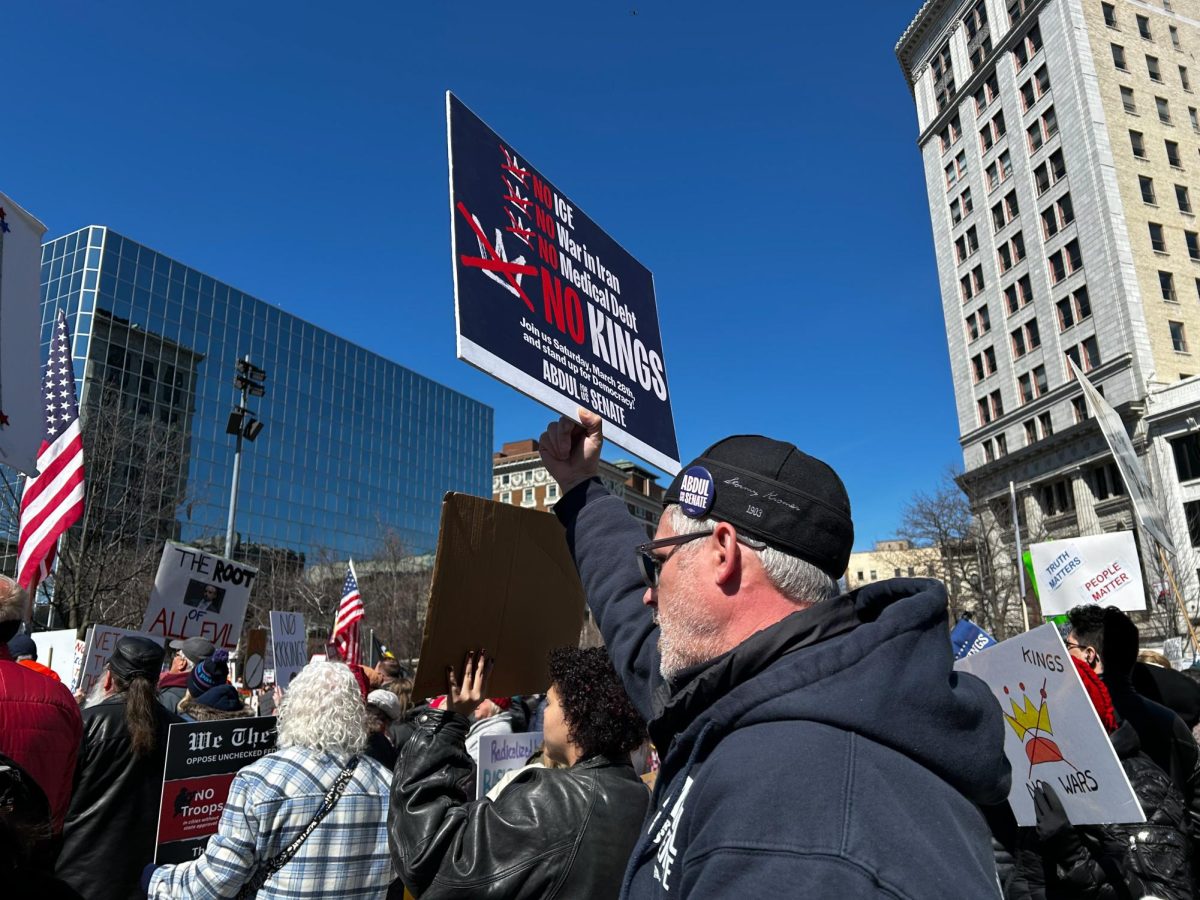



With midterm elections approaching and primaries only months away, pressure appears to be building for the Republican Party, with the Republican National Committee becoming increasingly concerned in its outlook. Since his 2024 electoral victory, President Donald Trump’s promise to improve the affordability and lives of Americans has repeatedly taken a back seat to shifting priorities. This has led to frustration among some voters, particularly within America’s working class.
While Trump has historically weathered criticism, opposition to his handling of the ongoing conflict with Iran is emerging as a more serious political challenge. Trump primarily ran on affordability and peace, positioning himself as a “peace candidate” in 2024, and this war undermines both of those claims. Many Republican voters are either fed up with frequent overseas entanglements or frustrated with the rising costs of everyday necessities like gas. Others are willfully forgetting his promises, continuing to support their dear leader.
These divided dynamics raise concerns among Republicans about the possibility of reduced Republican turnout in the midterm elections, which could shift the balance of power in Washington.
At the same time, Republican lawmakers have advanced legislation they argue is designed to secure election integrity. One such proposal is the Safeguard American Voter Eligibility (SAVE) Act. On the surface, the SAVE Act is legislation that requires a document of citizenship at the voting booth. However, as is so often the case with this administration, the ugly truth lies beneath the surface.
Voting in this country already requires an absurd amount of paperwork, though many commonly used forms are accessible at no cost. The SAVE Act would not only add more paperwork on top of that, but new required documents could impose financial and logistical burdens, particularly on lower-income individuals.
These requirements disproportionately affect certain groups, including people of color, young voters and married women who’ve taken their husband’s last name. Access to documents such as birth certificates or passports is not equal across the population, and people of color are statistically less likely to have immediate access to them. For many, especially college-age voters, locating or replacing these documents can take time and money, with fees, travel and time off work creating additional burdens.
The intent here is hard to ignore: the Trump administration is adding extra costs and roadblocks to the voting process for groups that are less likely to vote Republican, making participation more difficult, and in turn, attempting to control who can cast a ballot.